Stage lights flatten features. Cheap makeup melts under heat. Worse—your character disappears before the audience even blinks. You’ve spent weeks rehearsing, only to vanish in the wings because your make-up for stage characters can’t survive Act II. Here’s how to fix it—with precision, pigment, and purpose.
Why Off-the-Shelf Halloween Makeup Fails on Stage
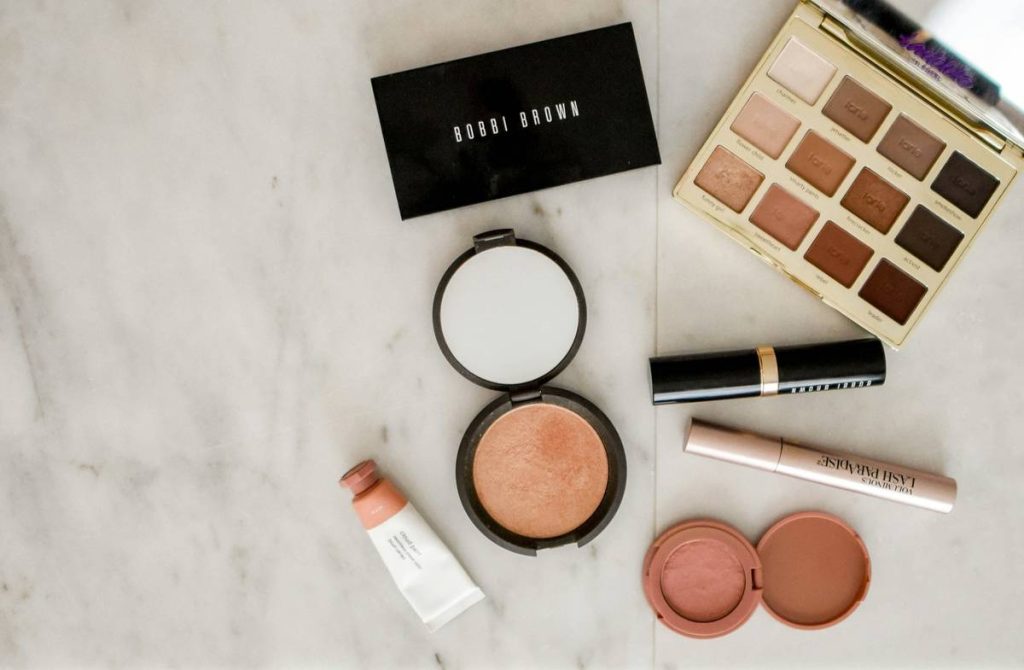
Drugstore kits aren’t built for distance, duration, or drama. They’re formulated for selfies—not 30-foot prosceniums. Stage lighting washes out subtle contours. Sweat, quick changes, and heavy breathing turn cream-based products into streaky messes by intermission.
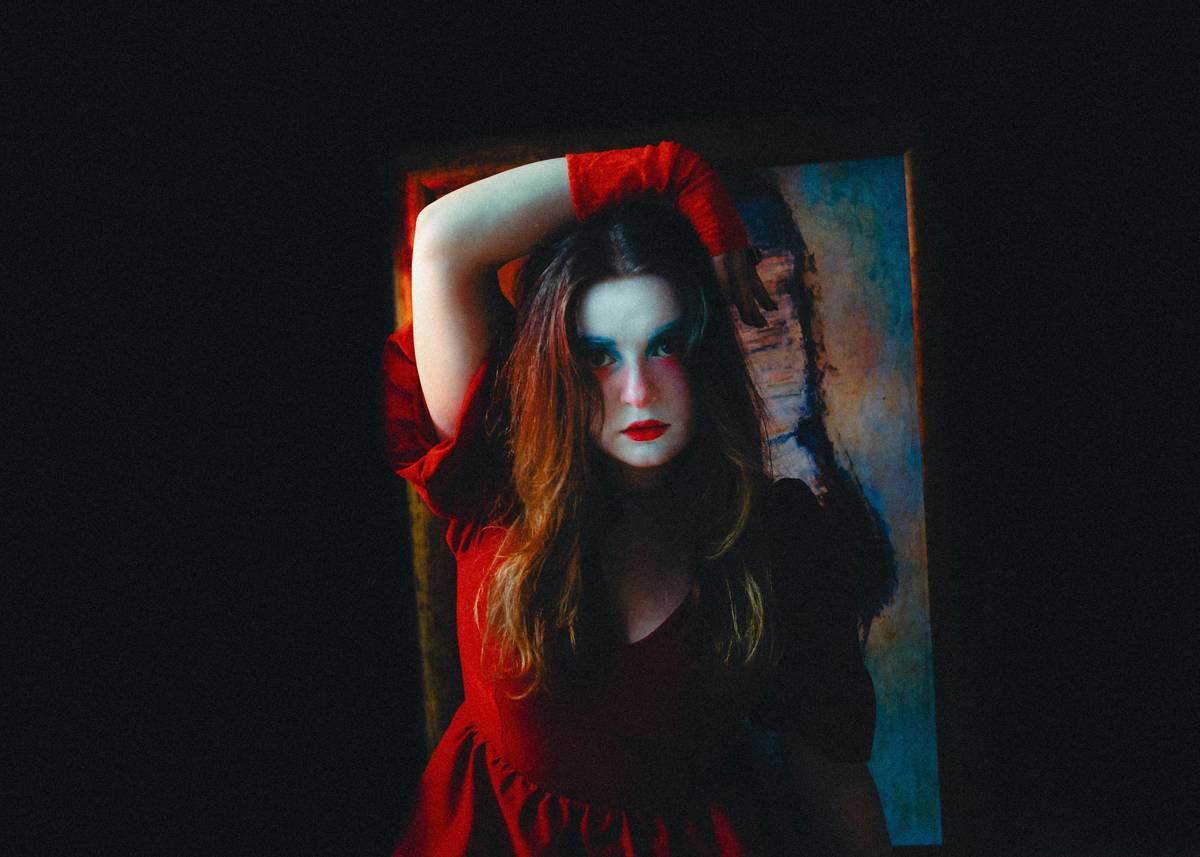
And theatrical audiences don’t lean in—they sit back. Your scars, wrinkles, or fantasy features must read from row Z. That requires layered dimensionality, not just color.
Step-by-Step Guide to Building Unforgettable Stage Character Makeup
Start With Skin Architecture, Not Color
Forget “foundation matching.” On stage, you sculpt with highlight and shadow first. Use cream contour palettes (not powders) to carve cheekbones, jawlines, or alien ridges. Blend upward—gravity pulls sweat down; your edges must resist it.
Lock It Early, Lock It Hard
After blocking in base shapes, set only the high-movement zones (forehead, chin, nose) with translucent powder. Leave cheeks slightly tacky—they’ll hold later layers better. Then—spray a professional-grade setting mist (like Ben Nye Final Seal) from 12 inches away. Two light coats beat one soaked layer.
Add Texture Last
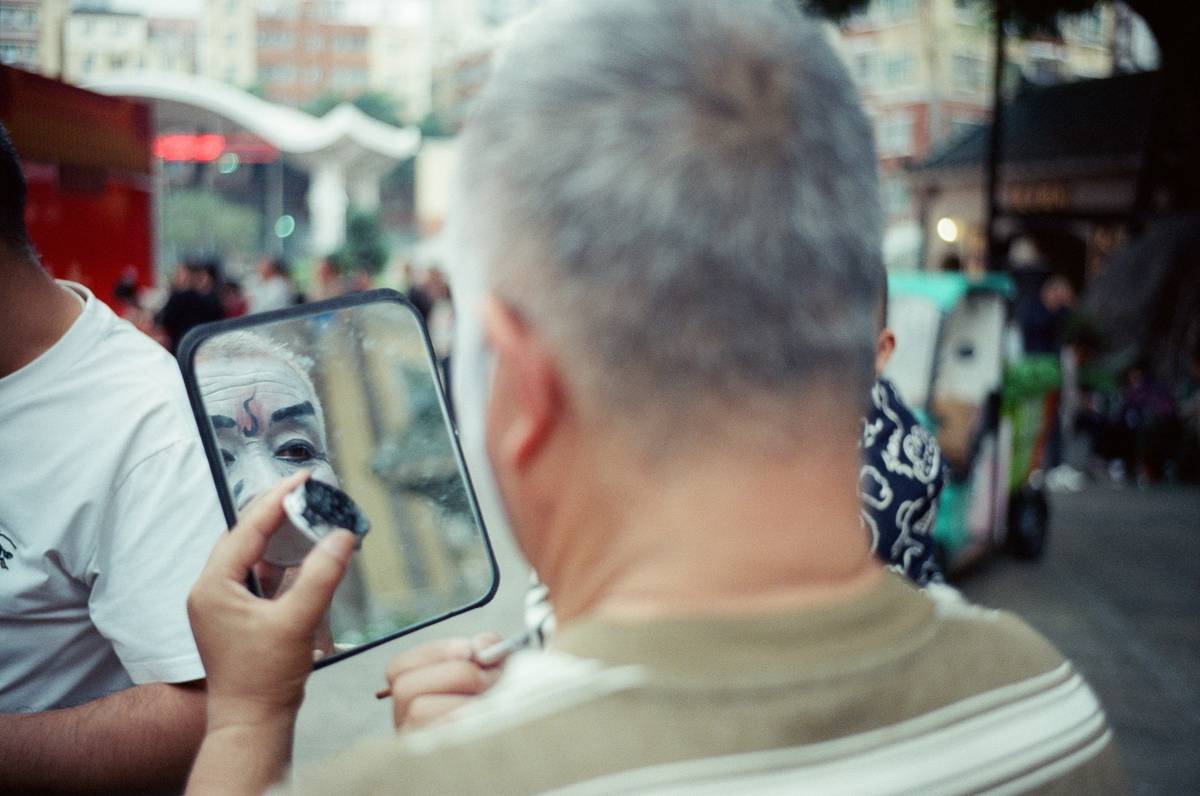
Blood, scales, wounds, or age spots? Apply these after everything’s sealed. Use alcohol-activated paints (like Skin Illustrator) for sweat-proof details. They won’t budge—even during fight choreography.
| Technique | Best For | Durability (Under Hot Lights) | Cost Range |
|---|---|---|---|
| Cream Contour + Powder Set | Human characters (villains, elders, warriors) | 7–8 hours | $25–$60 |
| Alcohol-Activated Paints | Fantasy, horror, non-human roles | 10+ hours | $40–$120 |
| Latex/Wax Appliances + Stipple | Prosthetic integration (scars, noses, horns) | Varies—requires resealing | $60–$200+ |
Lighting Dictates Your Palette
Ambient blue gels? Avoid cool shadows—they vanish. Warm spotlight? Cool highlights pop. Always test under the actual rig during tech rehearsal. What looks ghoulish backstage may read as sunburned center stage.
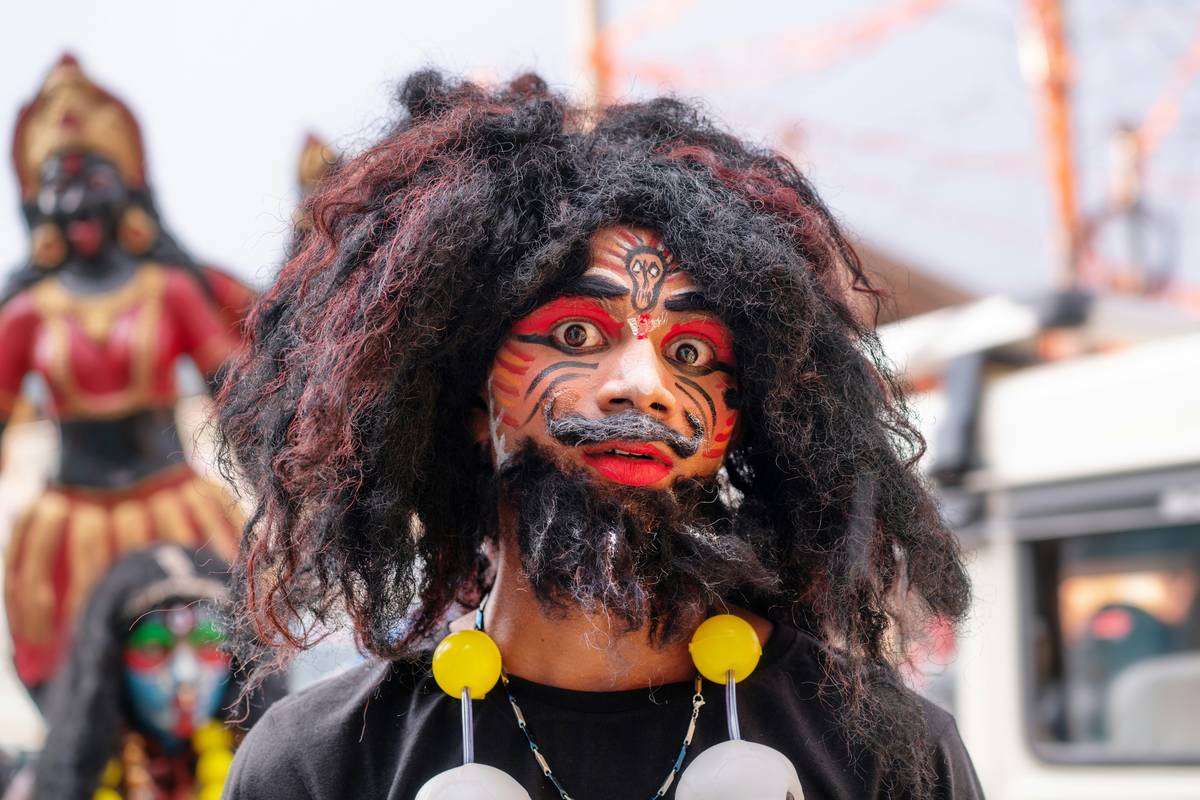
The Industry Secret: “Reverse Aging” for Older Characters
Here’s what no tutorial tells you: To age someone convincingly on stage, don’t just add lines. Remove elasticity. Real aging isn’t about wrinkles—it’s about loss of volume and tautness. Push skin inward at the temples with stippled gray-brown tones. Hollow the eye sockets deeper than feels natural. Then—lightly blur edges outward so the “sag” reads as organic, not drawn. This subtle collapse of structure fools the eye far more than crow’s feet ever could. One Broadway makeup artist used this trick for King Lear—and saved three hours in daily application time.
Frequently Asked Questions
Can I use regular Halloween makeup for stage performances?
No. Standard Halloween makeup lacks pigment density and sweat resistance. It’ll fade or smear under hot lights within 30 minutes—ruining continuity and character integrity.
How do I make fantasy features visible from the back row?
Exaggerate proportions by 30–50% and use high-contrast shading. A goblin’s brow ridge should cast a visible shadow on its own eyes—otherwise, it flattens under illumination.
What’s the best way to remove heavy stage makeup safely?
Use oil-based cleansers first (like coconut or dedicated makeup remover), then follow with a gentle foaming wash. Never scrub—lift residue with soft cloths to preserve skin barrier integrity.